

Farming Cactus Pear
Adapting to ongoing climate and water constraints in the Lower Colorado Basin.
Sustaining Arid Agriculture
Saving Water
Storing Carbon
The Work That We Do
Putting improved varieties into production and research into action.
❋ Working with diverse stakeholders to further Opuntia as a water efficient alternative to traditional crops in arid zones.❋ Producing data to support efficiency claims and yield expectations.❋ We are offering specialized varieties suited to location specific climate and soil conditions, and intended use case.❋ Support research and education institutions, as well as performing outreach to educate on Opuntia agriculture.Employing large scale micro-propagation and traditional cladode propagation, suppling farmers and landowners with top performing biomass, livestock feed, and fruit producing varieties.
Facilitate ongoing University of Nevada Reno and Department of Energy funded research into Opuntia cacti for bioenergy production under arid conditions.
The Carbon Cactus Project is a 501(c)3 nonprofit organization based in Las Vegas, Nevada.
Our Mission: advance a domestic industry of cactus pear agriculture in arid zones of the US.
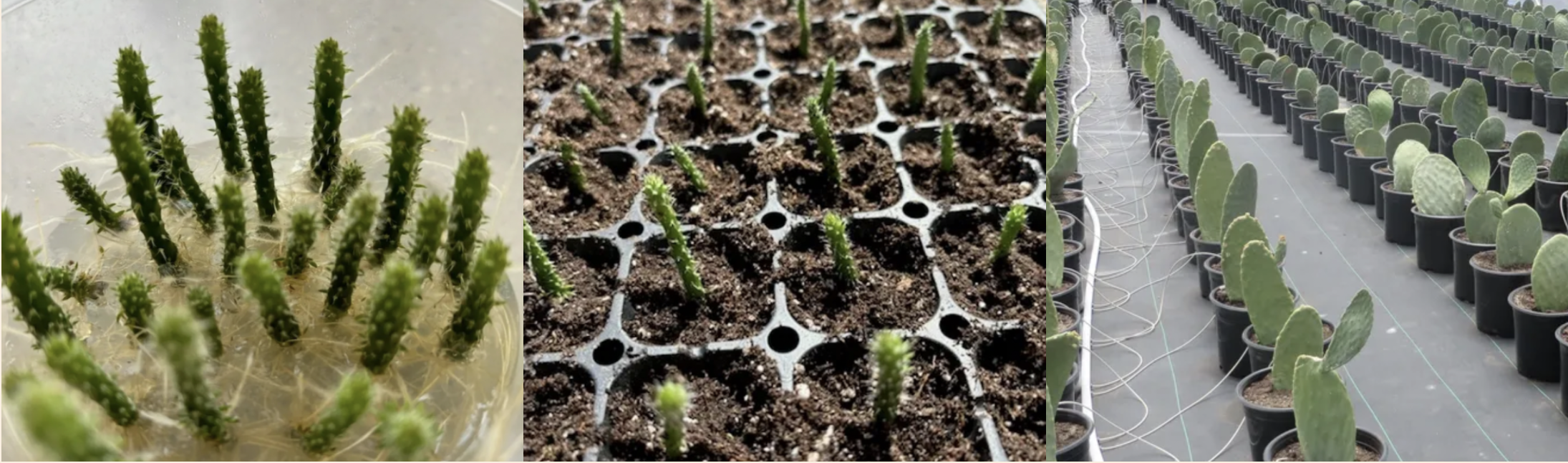
Through our propagation efforts and planting partnerships, we are providing independent farmers, CSAs and private landowners with ready to plant pads, rooted cacti, and assistance in implementing drip irrigation systems.
If you would like to grow Opuntia or wish to discuss potential collaboration
Ongoing Projects
GreenGale Farms
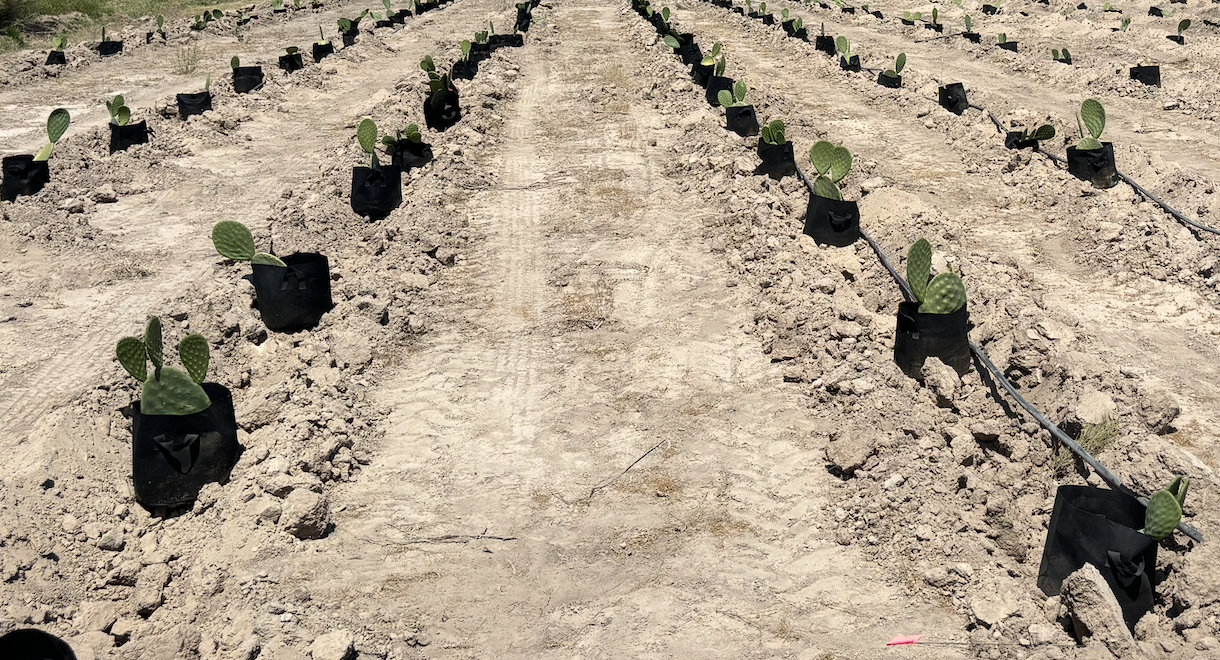
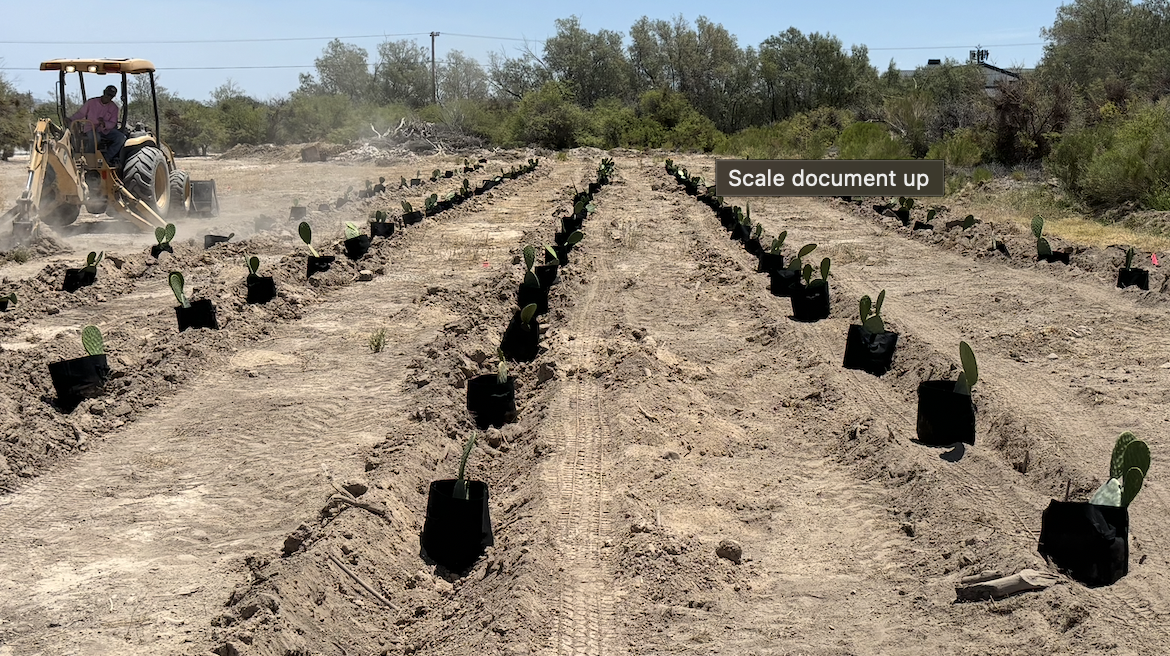
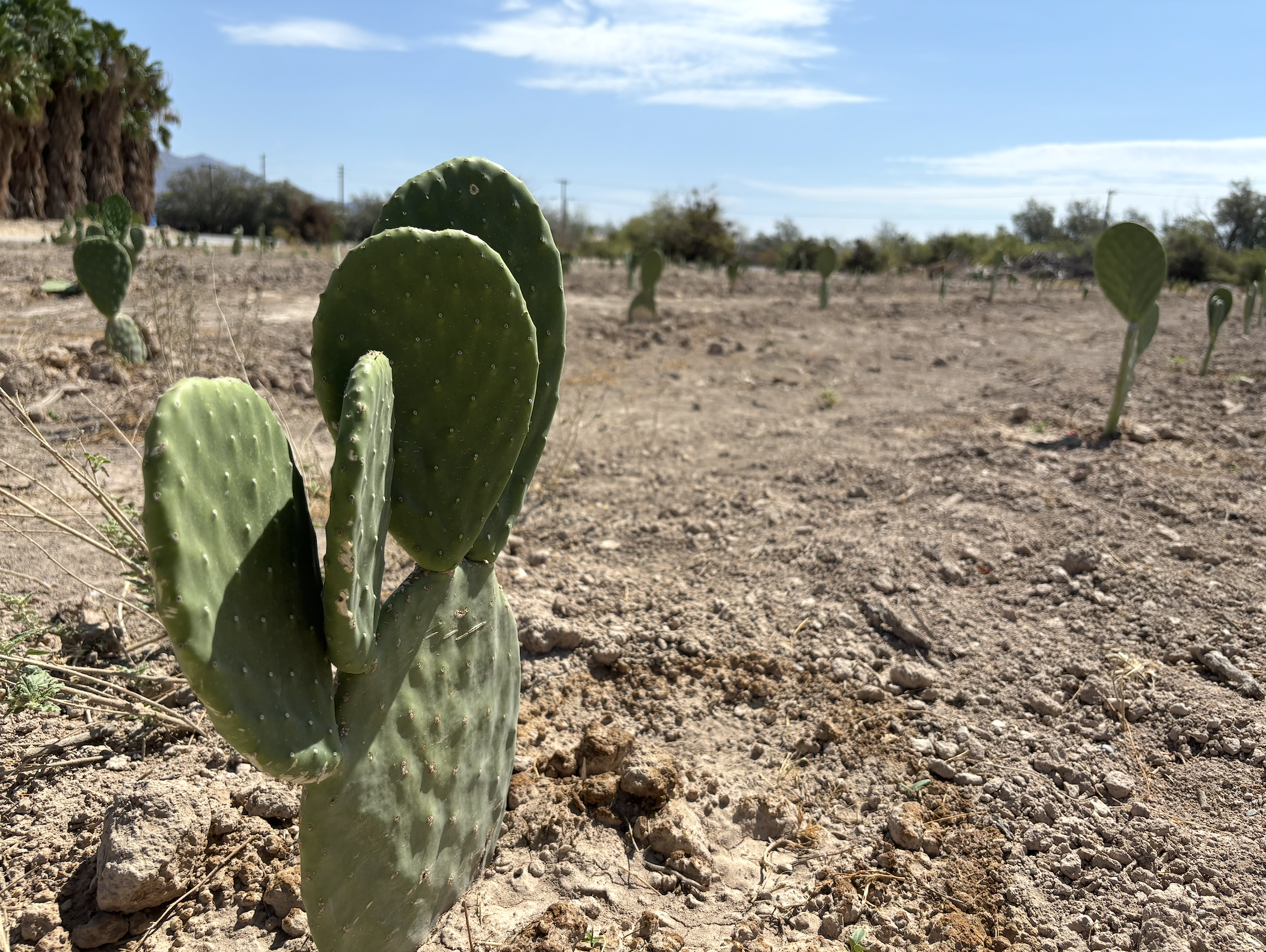
GreenGale Farms
Cactus Pear Fruit Orchard
Planted June, 2026
Species: Opuntia ficus-indica
0.5 acres, 320 plants, 8’x8’ spacing
USDA Zone 9b
Located at GreenGale Farms in North Las Vegas, is our pilot Opuntia fruit orchard growing a variety of Opuntia ficus-indica bearing red fruit with high flesh to seed ratio and an excellent flavor. GreenGale Farms will not only grow fruit but pads as a sustainable livestock feed supplement for their onsite rescued bovines. This site additionally serves as a propagation resource for cut pads then transferred to pots. Despite the high salinity and low nutrient soils, these plants are growing at a significant rate, organically without the use of pesticides. Current drip irrigation regiment provides approximately 74 gallons per plant per year.
Desert Cactus Fuels
Sandy Valley, NV
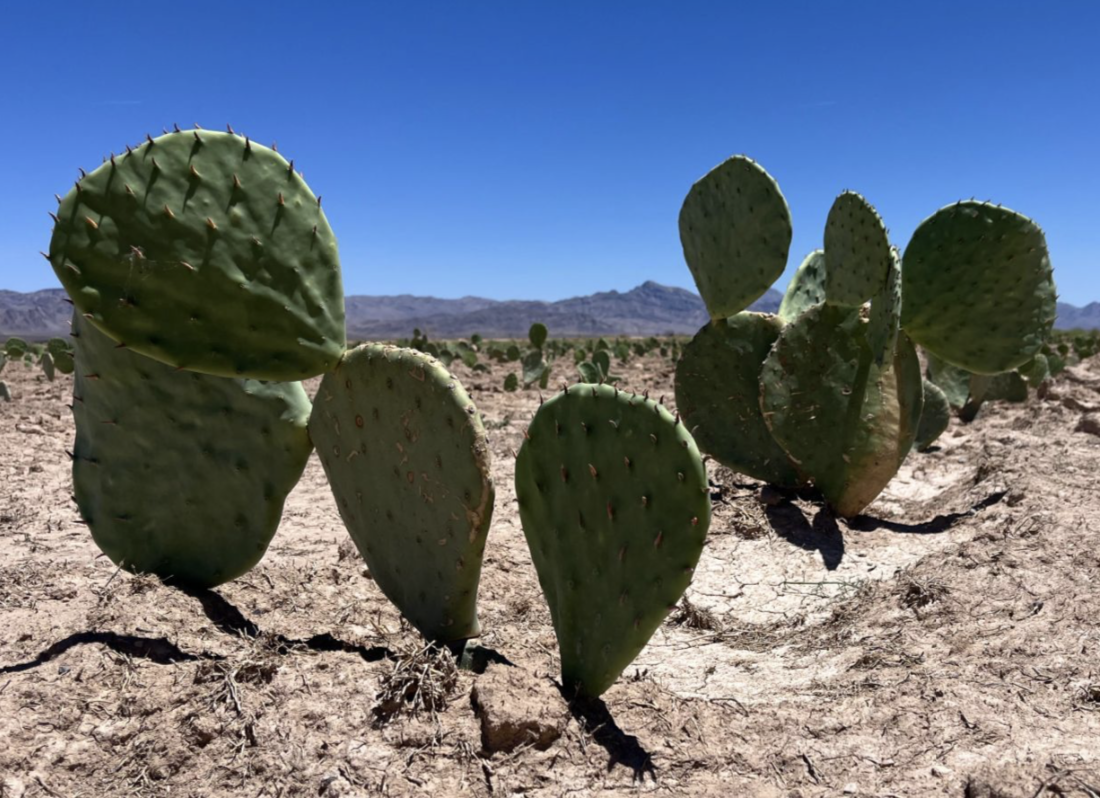
Initial Planting: April, 2026
Secondary High Density: October, 2026
Species: Opuntia ficus-indica
1 hectare
USDA Zone 8b
Desert Cactus Fuels, led by Claus Schmidt is an innovative organization working with farmers to grow spineless cactus for livestock feed, renewable fuels, water offsets and carbon offsets. We are supporting his effort by supplying ready to plant cacti.
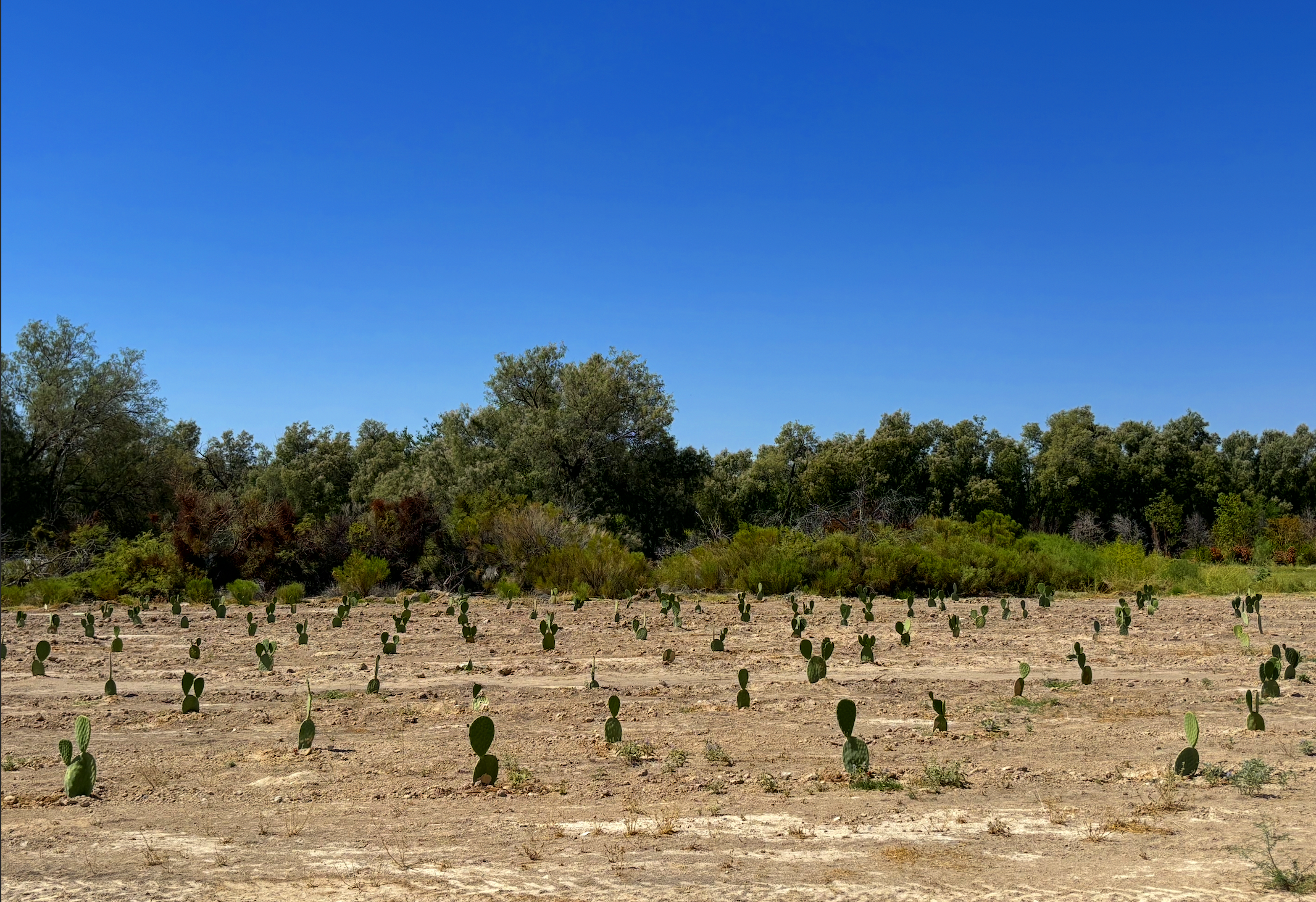
Seeing the immense potential and water saving benefits of Opuntia agriculture in Southern Nevada, Desert Cactus Fuels has planted on land previously cultivated for Alfalfa in Southern Nevada’s Sandy Valley. After their successful April planting of a cold tolerant Opuntia variety, the Carbon Cactus Project has donated 1,680 pads of Opuntia ficus-indica to enable a planting density increase at 0.5 meter spacing per plant, and to test this high biomass producing variety under local conditions. These high density rows will further act to increase the water efficiency of modified pivot irrigation systems being tested at the site. Further expansion is underway and the Carbon Cactus Project will continue to provide wholesale pads for scaled growth.
Boulder City, Nevada
- Propagation, Research & Education Station
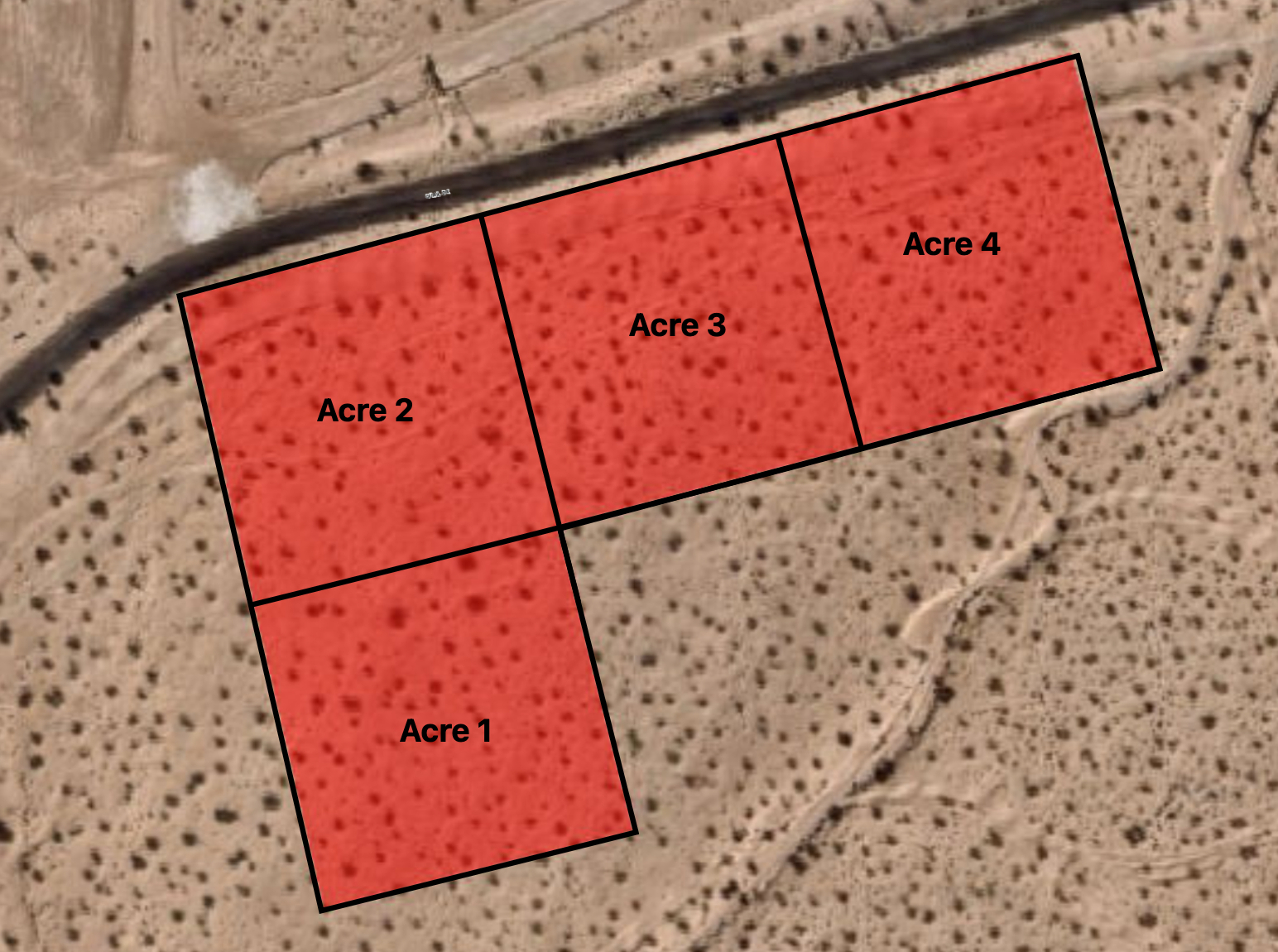
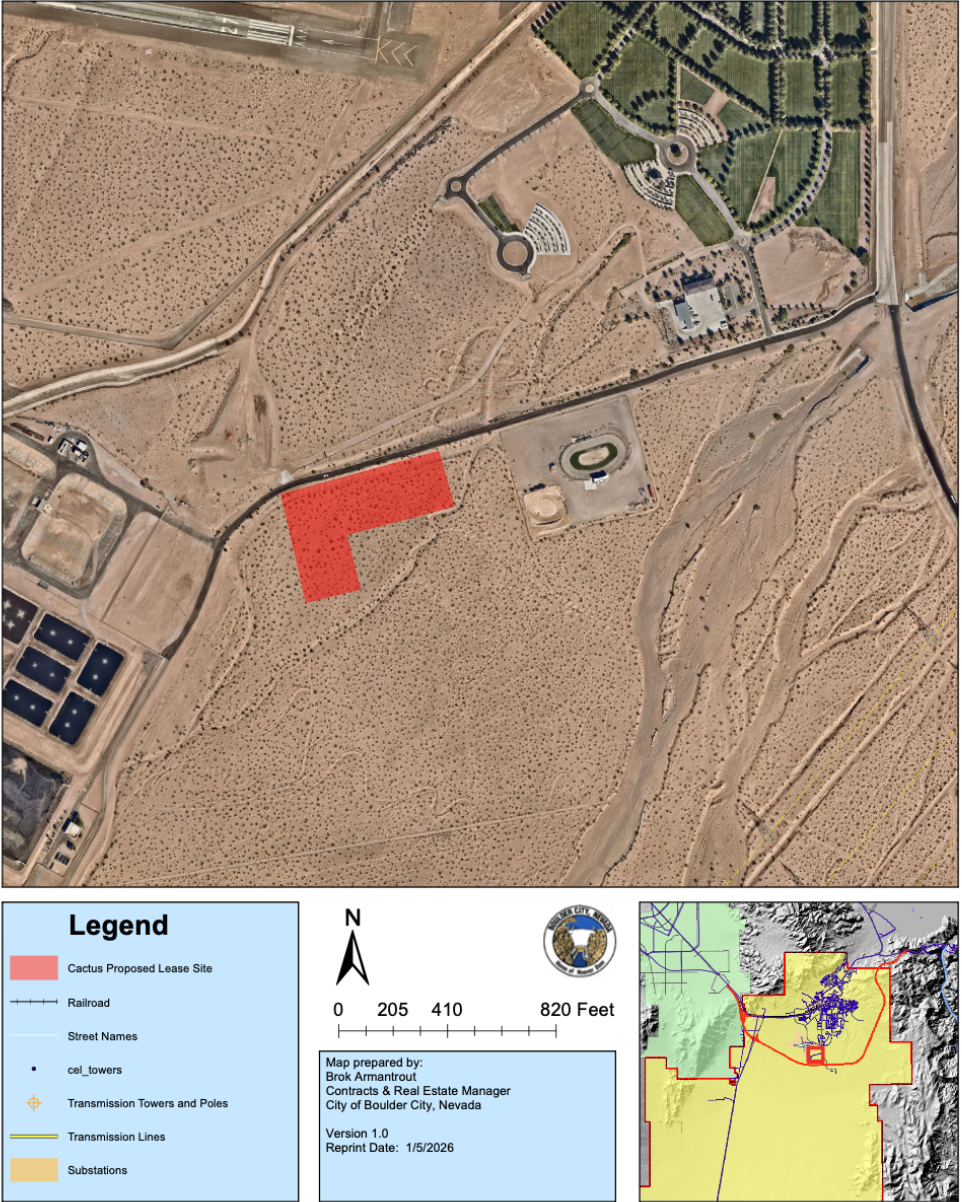
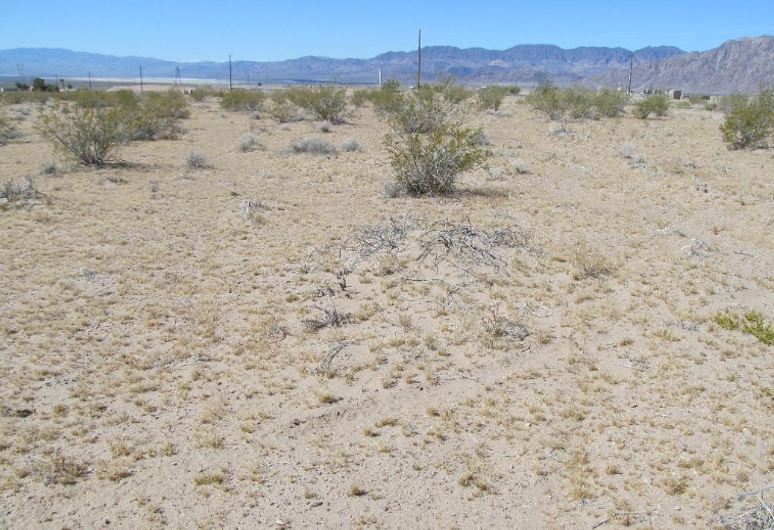
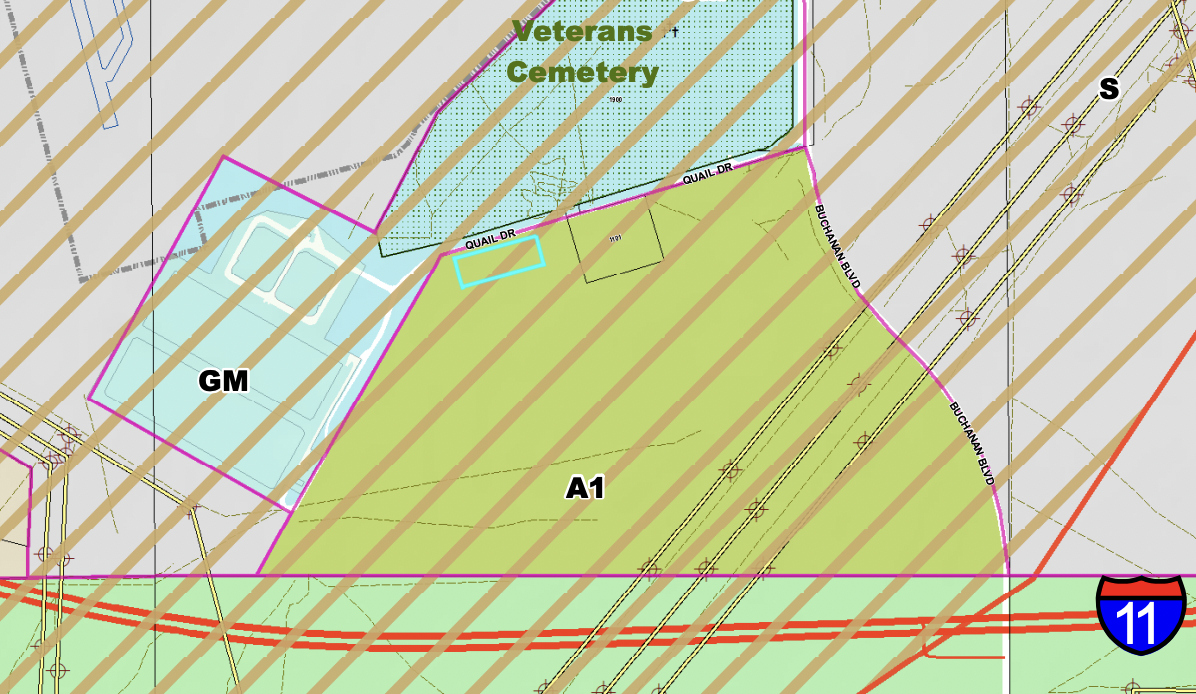
4 acres, ~ 3000 plants,
Species: 240 accessions of spineless Opuntia
Intended Planting: March, 2027
USDA Zone 9b
Pending lease approval by Boulder City NV, this farm will serve as a propagation, research and education station, showcasing a variety of Opuntia species, planting densities, and best management practices.
Acres 1 and 2 will be primarily dedicated to our chosen Opuntia ficus-indica accession well suited to Mojave Desert conditions, and an especially successful producer of biomass and high quality fruit. Low density fruit orchard to super high density biomass production will be performed here, while tracking growth and productivity to further demonstrate the efficacy of Opuntia as a new desert cash crop.
Acres 3 and 4 will host a field trial for the UNR College of Agriculture, Biotechnology and Natural Resources. This 5 year national project located in Nevada, Arizona, New Mexico, Texas, and Florida is funded through a research grant of $9 million by the Department of Energy to identify cactus for biofuel production, human food and food products, livestock fodder, and terrestrial carbon sequestration efforts on drylands.
Project website is https://naes.unr.edu/opuntia-systems-biology/objectives.aspx, described in more detail at https://www.unr.edu/nevada-today/news/2026/doe-cactus-pear-grant